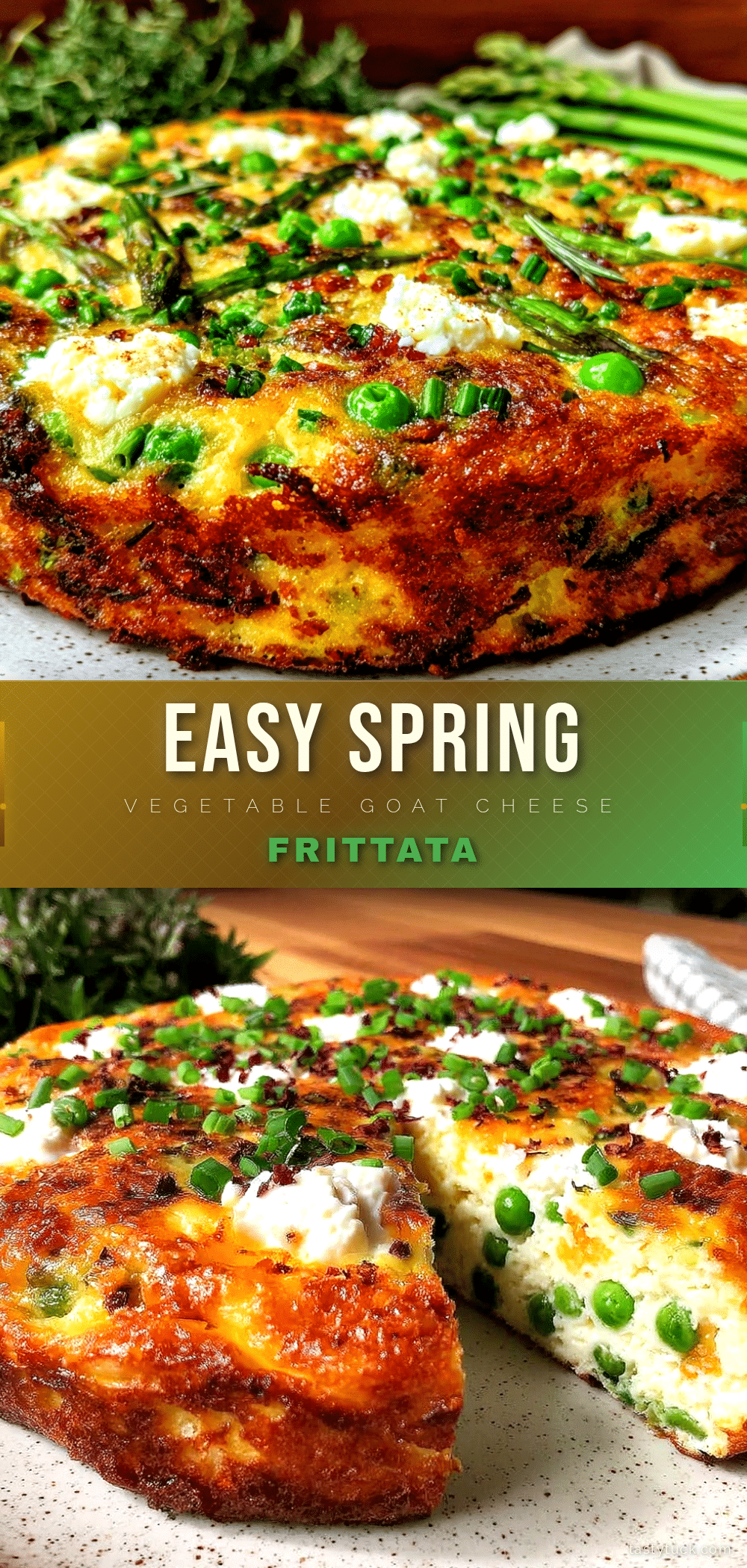
“You want me to make what for brunch?” My friend’s skeptical voice crackled over the phone as I rattled off my plan to whip up an Easy Spring Vegetable Frittata with Creamy Goat Cheese. Honestly, I wasn’t sure myself if it would turn out a hit or a flop. It started on a Saturday morning when I was staring at a fridge half-full of random spring veggies, a block of goat cheese leftover from a dinner party, and eggs that were begging for attention. No time, no fuss—I just threw things together, hoping for the best.
The kitchen quickly filled with the fresh scent of sautéed asparagus and sweet peas, mingling with the tangy aroma of goat cheese melting into the eggs. I remember sliding that skillet into the oven, half-expecting to rescue a disaster. But when I cut into that golden, fluffy frittata and took the first bite, I was honestly surprised. The creamy goat cheese added this perfect richness that balanced the bright, tender vegetables. It wasn’t just edible—it was downright crave-worthy.
Since then, I’ve made this Easy Spring Vegetable Frittata with Creamy Goat Cheese more times than I can count—sometimes for a quiet solo breakfast, other times as a casual brunch centerpiece with friends. It’s the kind of recipe that quietly made its way into my rotation because it’s simple, forgiving, and reliably delicious. And even now, there’s something about that first forkful—the way the tangy cheese melts into spring’s freshest veggies—that feels like a small celebration.
So, if you ever find yourself with a fridge full of spring bounty but no clear plan, this frittata might just be what you didn’t know you needed. It’s easy, comforting, and has that little spark of something special that keeps me coming back. No frills, just real food that feels like home.
Why You’ll Love This Recipe
After countless trials tweaking this frittata recipe, I can say with confidence that it stands out for several reasons:
- Quick & Easy: From chopping to plating in under 35 minutes, it’s perfect for busy mornings or last-minute brunch guests.
- Simple Ingredients: No scavenging specialty stores here—you likely have eggs, fresh spring veggies, and goat cheese on hand.
- Perfect for Brunch or Light Dinner: Whether it’s a weekend treat or a quick, wholesome dinner, it fits the bill.
- Crowd-Pleaser: My friends often ask for this one again—kids included—because the creamy cheese tames the veggies just right.
- Unbelievably Delicious: The creamy goat cheese layer makes this frittata stand apart from the usual egg dishes, giving it a smooth, slightly tangy richness that’s hard to beat.
What really sets this frittata apart is the way the goat cheese is folded in just enough to create pockets of creamy goodness without overpowering the fresh vegetable flavors. Also, the gentle roasting of asparagus and peas before baking highlights their natural sweetness, a step I learned from my time experimenting with vegetable-focused dishes.
This recipe isn’t just another egg bake—it’s the best way I know to celebrate spring produce in a fuss-free, satisfying dish. And if you’re looking for a lighter alternative that still feels indulgent, this is your answer. Plus, it pairs wonderfully with a fresh, crisp salad or even a slice of a fresh loaded creamy vegetarian pasta salad, making for a balanced meal without any stress.
What Ingredients You Will Need
This recipe keeps things straightforward, focusing on fresh, seasonal ingredients that bring both flavor and texture to the plate. Most of these are pantry staples or easy to find during springtime.
- Eggs (6 large): The base of the frittata, providing structure and a fluffy texture.
- Goat Cheese (4 oz or 115g, crumbled): Use a creamy, tangy variety—I prefer Chèvre from Vermont Creamery for its smoothness.
- Asparagus (1 cup, trimmed and cut into 1-inch pieces): Adds a fresh, slightly grassy bite.
- Fresh peas (1/2 cup): Shelled or frozen, they bring a sweet pop of flavor.
- Green onions (2, thinly sliced): For subtle oniony brightness without overpowering.
- Garlic (2 cloves, minced): Adds a warm undertone.
- Olive oil (2 tbsp): For sautéing the veggies—extra virgin is best for flavor.
- Milk or cream (1/4 cup or 60ml): Helps the eggs turn out tender and creamy. Whole milk works well, but half-and-half is a nice upgrade.
- Fresh herbs (2 tbsp chopped chives or parsley): Optional, but they brighten the dish.
- Salt and pepper: To taste—season generously for the best flavor.
Substitution tips: If you need a dairy-free option, try swapping goat cheese with a plant-based cream cheese alternative. For a gluten-free boost, this recipe is naturally free of gluten, so no worries there.
Depending on your local season, you can swap asparagus and peas for other spring veggies like baby zucchini, ramps, or even ramps if you’re lucky enough to find them. Frozen peas work just fine when fresh aren’t available.
Equipment Needed
Luckily, this frittata requires just a handful of common kitchen tools:
- Oven-safe skillet (10-inch cast iron or non-stick): I always reach for my cast iron because it distributes heat evenly and creates a lovely browned crust. If you don’t have one, a non-stick ovenproof skillet works too.
- Mixing bowl: For whisking the eggs and milk.
- Whisk or fork: To beat the eggs smoothly.
- Knife and cutting board: For prepping your veggies.
- Spatula or wooden spoon: For stirring veggies while sautéing.
If you’re on a budget, even a basic non-stick skillet with an ovenproof handle will do the trick. Just make sure it fits comfortably in your oven and can handle 375°F (190°C). For cast iron care, I recommend seasoning it well to prevent sticking and maintain that classic sear.
Preparation Method

- Preheat your oven to 375°F (190°C). This ensures the frittata starts baking immediately once it hits the oven.
- Prepare the vegetables: Rinse asparagus and trim off the tough ends, then cut into 1-inch pieces. Shell your peas or measure frozen ones. Thinly slice green onions and mince garlic.
- Sauté the veggies: Heat 2 tablespoons olive oil in your skillet over medium heat. Add garlic and green onions first, stirring for about 1 minute until fragrant. Toss in asparagus and peas, cooking for 4-5 minutes until veggies are just tender but still bright green. Season lightly with salt and pepper. This step brings out their natural sweetness.
- Whisk the eggs: In a mixing bowl, beat 6 large eggs with 1/4 cup (60 ml) of milk or cream. Add a pinch of salt and pepper. The milk helps keep the eggs tender and creamy.
- Combine cheese and herbs: Crumble 4 oz (115 g) goat cheese and chop fresh herbs if using. Set aside.
- Assemble the frittata: Pour the egg mixture evenly over the sautéed vegetables in the skillet. Scatter the crumbled goat cheese and herbs on top. Gently press the cheese slightly into the eggs but don’t stir it in—those pockets of creamy cheese are what you want.
- Bake: Transfer the skillet to the oven and bake for 15-18 minutes. Check around 15 minutes by gently shaking the pan—the frittata should be mostly set but slightly jiggly in the center. Avoid overbaking to keep it moist.
- Rest before serving: Remove from oven and let it cool for 5 minutes. This helps it finish setting and makes slicing easier.
- Serve warm or at room temperature: Slice into wedges and garnish with extra herbs or a sprinkle of cracked black pepper if desired.
Pro tip: If you want a slightly golden top, you can broil the frittata for 1-2 minutes at the end, but watch it carefully to avoid burning.
Keeping the veggies from getting mushy is all about that quick sauté and just-right baking time. You want bright colors and tender bites, not a soggy mess. I once left the frittata in too long and learned this the hard way—don’t make my mistake!
Cooking Tips & Techniques
Making a foolproof frittata takes a few little tricks I’ve picked up over time. Here’s what works best:
- Use fresh eggs at room temperature: They whip up fluffier and cook more evenly.
- Don’t overfill your skillet: A 10-inch pan is perfect for 6 eggs; too packed and the frittata won’t cook through properly.
- Pre-cook vegetables: Raw veggies release water that can make the frittata watery. Sautéing first concentrates their flavors and keeps texture intact.
- Season well: Eggs can be bland, so a generous pinch of salt and pepper is key.
- Mind your baking time: Keep an eye near the end; overbaking leads to dryness. The center should still jiggle slightly when done.
- Let it rest: A brief rest allows the frittata to set fully without drying out.
One time, I got impatient and cut into the frittata immediately after baking—it fell apart like a sad scrambled mess. Lesson learned: patience pays off!
Also, multitasking helps. While the frittata is in the oven, you can whip up a quick salad or toast some crusty bread—perfect for rounding out the meal.
Variations & Adaptations
This recipe is flexible and forgiving, so feel free to customize it easily:
- Seasonal substitutions: Swap asparagus and peas for other spring veggies like baby zucchini, ramps, or fiddlehead ferns.
- Cheese variations: Use feta, ricotta, or cream cheese if goat cheese isn’t your thing. Each brings a different texture and flavor profile.
- Protein boost: Add cooked bacon, ham, or smoked salmon to make it heartier.
- Dairy-free: Replace goat cheese with a plant-based cheese alternative and use coconut or almond milk instead of dairy.
- Herb twist: Try fresh dill, tarragon, or basil for a different herbal note.
Personally, I once tried this frittata with some leftover grilled chicken cubes and swapped peas for fresh artichoke hearts—it was a game-changer for a spring dinner party.
Serving & Storage Suggestions
This frittata is best enjoyed warm or at room temperature. Serve it with a simple green salad dressed lightly with lemon vinaigrette to keep things fresh and balanced.
For a more filling brunch spread, pair it with crusty bread or a side of roasted potatoes. It also pairs nicely with a fruity white wine or a light sparkling rosé if you’re feeling fancy.
To store, cover leftovers tightly and refrigerate for up to 3 days. Reheat gently in a low oven (about 300°F or 150°C) or microwave in short intervals to avoid drying out. You can also freeze slices wrapped well for up to 2 months—just thaw overnight in the fridge and reheat.
Flavors deepen and meld slightly after a day, so sometimes I find the next-day slices taste even better cold or lightly warmed. Great for quick breakfasts on the go.
Nutritional Information & Benefits
This Easy Spring Vegetable Frittata with Creamy Goat Cheese is a nutrient-packed, balanced meal option:
- Approximately 250-300 calories per serving (based on 6 servings)
- High-quality protein from eggs and goat cheese supports muscle repair and satiety
- Fresh asparagus and peas add fiber, vitamins A and C, and antioxidants
- Healthy fats from olive oil and goat cheese aid in nutrient absorption and provide lasting energy
- Gluten-free and naturally low-carb, suitable for many dietary preferences
Goat cheese is easier to digest than cow’s milk cheese for some, making this a friendly option for sensitive stomachs. Plus, the fresh herbs and veggies provide a nice boost of phytonutrients, making it a wholesome way to start your day or refuel after activities.
Conclusion
This Easy Spring Vegetable Frittata with Creamy Goat Cheese has quietly become a favorite in my kitchen because it’s just that reliable—simple to make, packed with flavor, and flexible enough to suit whatever’s fresh or leftover. I love how the tang of goat cheese plays off the sweet, tender veggies, creating a dish that’s both comforting and refreshing.
Don’t hesitate to adjust it based on what you have or like—cooking is supposed to be fun, not stressful. I’d love to hear how you put your own spin on it, whether you swap in different veggies or add a new herb twist. Feel free to leave a comment sharing your version or questions!
Here’s to many cozy mornings and easy dinners made better by this simple frittata. Happy cooking!
FAQs
Can I make this frittata ahead of time?
Yes! You can prepare and bake it the day before, then reheat slices gently in the oven or microwave. It also freezes well for up to 2 months.
What if I don’t have goat cheese? What can I use instead?
Feta, ricotta, or cream cheese all work as tasty substitutes. Each will change the texture and flavor slightly but still keep it delicious.
Can I add meat to the frittata?
Absolutely! Cooked bacon, ham, or grilled chicken are great additions that make the dish more filling.
How do I know when the frittata is done baking?
The edges should be set and lightly golden. The center should be mostly firm but still jiggle slightly when you gently shake the pan.
Is this recipe suitable for a gluten-free diet?
Yes, this frittata is naturally gluten-free since it contains no flour or gluten-containing ingredients.
Pin This Recipe!
Easy Spring Vegetable Frittata with Creamy Goat Cheese

A quick and easy frittata featuring fresh spring vegetables and creamy goat cheese, perfect for brunch or a light dinner.
- Prep Time: 10 minutes
- Cook Time: 18 minutes
- Total Time: 28 minutes
- Yield: 6 servings 1x
- Category: Main Course
- Cuisine: American
Ingredients
- 6 large eggs
- 4 oz (115 g) goat cheese, crumbled
- 1 cup asparagus, trimmed and cut into 1-inch pieces
- 1/2 cup fresh peas (shelled) or frozen peas
- 2 green onions, thinly sliced
- 2 cloves garlic, minced
- 2 tbsp olive oil (extra virgin preferred)
- 1/4 cup (60 ml) milk or cream (whole milk or half-and-half recommended)
- 2 tbsp fresh herbs (chopped chives or parsley), optional
- Salt and pepper to taste
Instructions
- Preheat your oven to 375°F (190°C).
- Prepare the vegetables: rinse asparagus, trim tough ends, and cut into 1-inch pieces; shell peas if fresh; thinly slice green onions; mince garlic.
- Heat 2 tablespoons olive oil in an oven-safe skillet over medium heat. Add garlic and green onions and sauté for about 1 minute until fragrant.
- Add asparagus and peas to the skillet and cook for 4-5 minutes until just tender but still bright green. Season lightly with salt and pepper.
- In a mixing bowl, whisk together 6 large eggs and 1/4 cup (60 ml) milk or cream. Add a pinch of salt and pepper.
- Crumble goat cheese and chop fresh herbs if using; set aside.
- Pour the egg mixture evenly over the sautéed vegetables in the skillet.
- Scatter the crumbled goat cheese and herbs on top, gently pressing the cheese slightly into the eggs without stirring.
- Transfer the skillet to the oven and bake for 15-18 minutes. Check at 15 minutes; the frittata should be mostly set but slightly jiggly in the center.
- Remove from oven and let rest for 5 minutes to finish setting.
- Slice into wedges and serve warm or at room temperature, garnished with extra herbs or cracked black pepper if desired.
Notes
Use fresh eggs at room temperature for fluffier texture. Avoid overbaking to keep the frittata moist and tender. You can broil for 1-2 minutes at the end for a golden top but watch carefully to prevent burning. Substitute goat cheese with feta, ricotta, or cream cheese if desired. For dairy-free, use plant-based cheese and coconut or almond milk. Store leftovers refrigerated up to 3 days or freeze slices up to 2 months.
Nutrition
- Serving Size: 1 wedge (1/6 of frit
- Calories: 275
- Sugar: 3
- Sodium: 320
- Fat: 20
- Saturated Fat: 7
- Carbohydrates: 6
- Fiber: 2
- Protein: 16
Keywords: frittata, spring vegetables, goat cheese, easy brunch, healthy breakfast, gluten-free, vegetarian