I want garlic butter shrimp pasta right now, and I have everything except the willpower to wait any longer. That’s usually how it happens—a craving hits, you check the fridge, and suddenly dinner is happening whether you planned it or not. The garlic is already out on the counter, the butter is softening, and the pasta water is starting to bubble before you’ve even fully committed to the idea.
Honestly, this is the kind of meal that saves my sanity on those nights when cooking feels like a chore. You know the ones—where you’ve been running around all day, your brain is fried, and the last thing you want to do is spend an hour in the kitchen. But you also don’t want takeout again (let’s face it, that’s been happening too much lately). This quick garlic butter shrimp pasta is my middle ground. It feels fancy enough to be a treat but comes together faster than delivery.
The first time I made this, I was skeptical. Could something this simple really hit the spot? But that first bite—the way the garlicky butter coats each piece of pasta, the little pop of lemon, the tender shrimp—it got me. It’s one of those recipes that proves you don’t need a million ingredients or complicated techniques to make something genuinely satisfying. It’s just honest, good food that works when you need it most.
Why You’ll Love This Recipe
Let me tell you why this one sticks around in my kitchen. I’ve tested it about a dozen times—tweaking the garlic ratio, figuring out the perfect shrimp cook time, deciding whether to add white wine or skip it. This version is the winner, and here’s what makes it special:
- Quick & Easy: From start to finish, you’re looking at 15 minutes. That’s less time than it takes to watch a single episode of something on Netflix. Perfect for those nights when you’re starving and impatient.
- Simple Ingredients: Garlic, butter, shrimp, pasta, lemon, parsley. That’s basically it. No fancy grocery store trips required. You probably have most of this stuff already.
- Perfect for Busy Weeknights: Whether it’s a Tuesday after work or a lazy Sunday when you just don’t feel like cooking, this recipe fits. It’s also great for impromptu dinner guests—they’ll think you planned something elaborate.
- Crowd-Pleaser: I’ve served this to picky eaters, seafood lovers, and even folks who claim they don’t like shrimp. It always gets polished off. The butter and garlic combo is basically magic.
- Unbelievably Delicious: The texture is what gets me—the silky pasta, the plump shrimp, the way the sauce clings to everything. It’s comfort food that doesn’t weigh you down.
What makes this different from other garlic butter shrimp pasta recipes? It’s the technique. Most recipes tell you to cook everything in one pan and hope for the best. I’ve learned that giving the shrimp a quick sear first, then building the sauce in the same pan, makes a world of difference. You get that deeper flavor without extra effort. Plus, I use a specific ratio of butter to pasta water that creates a silky sauce without needing heavy cream. It’s lighter but still satisfying.
This recipe isn’t just good—it’s the kind that makes you close your eyes after the first bite. It’s comfort food reimagined: faster, simpler, but with the same soul-soothing satisfaction. Perfect for impressing someone without stress, or turning a regular Tuesday into something memorable.
What Ingredients You Will Need
This recipe uses simple, everyday ingredients to deliver bold flavor without the fuss. Most of these are pantry staples, so you might not even need a shopping trip.
- 8 ounces linguine or spaghetti (or any long pasta you have on hand—I’ve used fettuccine and angel hair too)
- 3 tablespoons unsalted butter (I prefer Kerrygold for the richness, but any good butter works)
- 4 cloves garlic, minced (fresh is non-negotiable here—don’t use the jarred stuff, it burns too easily)
- 1 pound large shrimp, peeled and deveined (look for raw shrimp, 21-25 count per pound for best size)
- ½ teaspoon salt (plus more for pasta water)
- ¼ teaspoon black pepper
- ¼ teaspoon red pepper flakes (optional, but I love the little kick)
- ¼ cup dry white wine (or chicken broth if you don’t cook with wine)
- ¼ cup reserved pasta water (this is crucial for the sauce—don’t forget to save it)
- 2 tablespoons fresh lemon juice (about half a lemon)
- ¼ cup fresh parsley, chopped (flat-leaf or curly, both work)
- Freshly grated Parmesan cheese (for serving, because everything’s better with cheese)
Ingredient Tips: For the shrimp, look for ones that are already peeled and deveined to save time. If they’re frozen, thaw them under cold running water for about 5 minutes. I recommend using a good-quality pasta here—De Cecco or Barilla hold up well. The pasta water is starchy and helps thicken the sauce, so don’t skip saving it. And please, use real butter. Margarine just won’t give you that rich, glossy finish.
Substitutions: Gluten-free pasta works fine—just adjust the cooking time according to the package. Use olive oil instead of butter for a dairy-free version, though you’ll lose some richness. No white wine? Chicken broth or even a splash of the pasta water with a squeeze of extra lemon works beautifully.
Equipment Needed
You don’t need a fancy kitchen for this one. Here’s what you’ll need:
- Large pot for boiling pasta (at least 4 quarts)
- Large skillet or sauté pan (12-inch is ideal for even cooking)
- Colander for draining pasta
- Measuring cups and spoons
- Chef’s knife and cutting board
- Wooden spoon or tongs for stirring
- Liquid measuring cup for reserving pasta water
If you don’t have a large skillet, a deep saucepan will work—just be careful not to overcrowd the shrimp. I’ve used my trusty cast iron skillet for this and it works great because it holds heat well. For a budget-friendly option, any non-stick pan will do the job. Just avoid using a pan that’s too small, or the shrimp will steam instead of sear.
One tip: keep a small bowl nearby to hold your prepped ingredients. This recipe moves fast, so having your garlic minced, lemon juiced, and parsley chopped before you start makes everything smoother.
Preparation Method
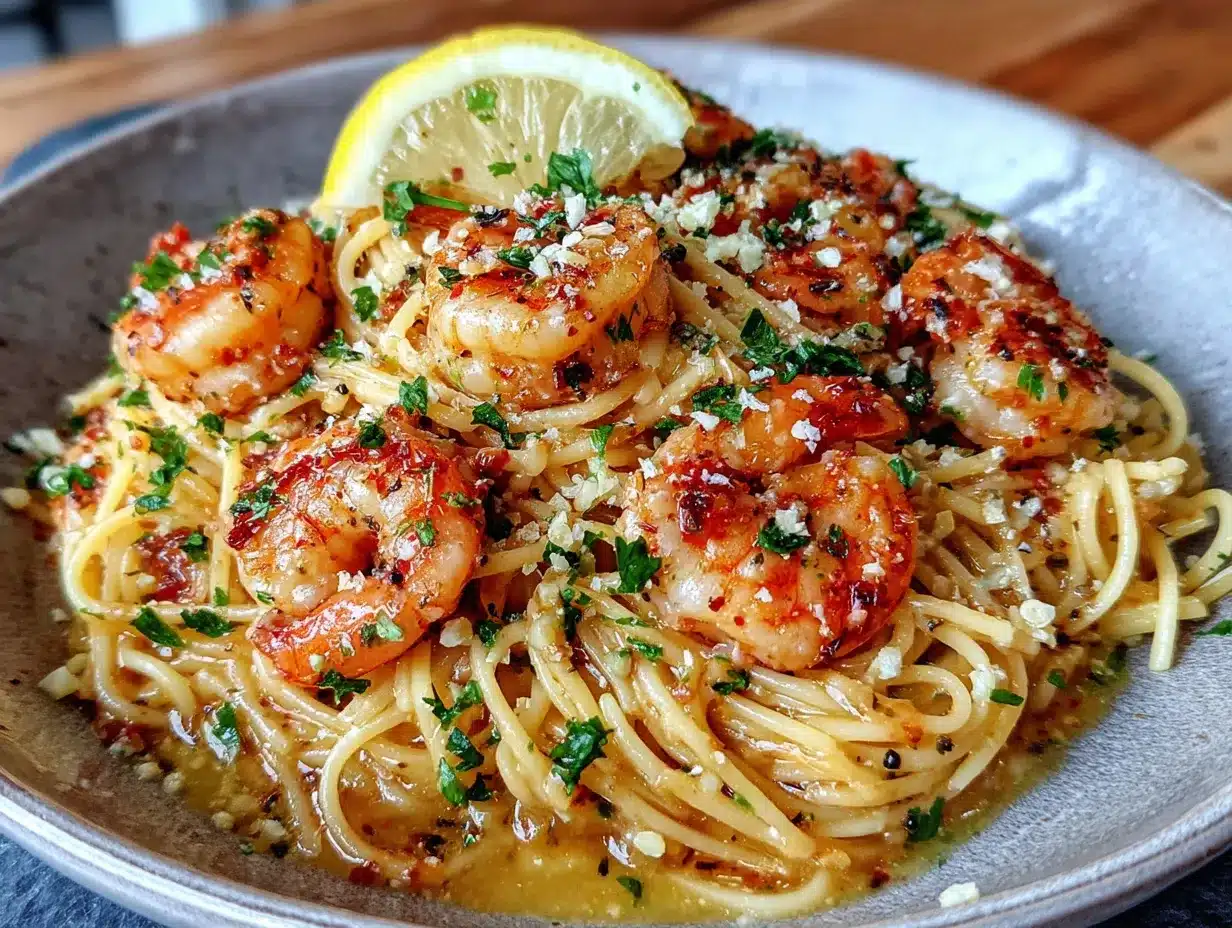
Alright, let’s get cooking. This whole process takes about 15 minutes, so stay close to the stove.
- Bring a large pot of salted water to a boil. Add about a tablespoon of salt—the water should taste like the sea. Once it’s boiling, add your pasta and cook according to package directions until al dente. For linguine, that’s usually about 8-9 minutes. While the pasta cooks, get everything else ready.
- While the pasta cooks, pat the shrimp dry with paper towels. This is important—wet shrimp won’t sear properly. Season them with a pinch of salt and pepper on both sides. Set them aside while you prep the garlic and parsley.
- Reserve about 1 cup of pasta water before draining. Use a liquid measuring cup or a mug to scoop it out. Set it aside—you’ll need ¼ cup for the sauce, but having extra is never a bad thing.
- Drain the pasta but don’t rinse it. You want that starch to help the sauce stick. Let it sit in the colander while you make the sauce.
- Heat a large skillet over medium-high heat. Add 1 tablespoon of the butter. Once it’s melted and bubbling, add the shrimp in a single layer. Cook for about 1-2 minutes per side, until they’re pink and opaque. Don’t overcook them—they’ll continue cooking in the sauce later. Transfer the shrimp to a plate and set aside.
- Reduce the heat to medium. Add the remaining 2 tablespoons of butter to the same skillet. Once melted, add the minced garlic and red pepper flakes (if using). Cook for about 30 seconds, stirring constantly. The garlic should be fragrant but not brown—brown garlic tastes bitter.
- Pour in the white wine (or broth) and let it simmer for about 1 minute, scraping up any browned bits from the bottom of the pan. This is where the flavor lives.
- Add ¼ cup of the reserved pasta water and the lemon juice. Stir everything together and let it simmer for another 30 seconds. The sauce should look slightly thickened and glossy.
- Add the drained pasta to the skillet. Use tongs to toss it in the sauce, making sure every strand gets coated. If the sauce seems too thick, add a splash more pasta water until it’s the consistency you like.
- Return the shrimp to the skillet along with any juices that accumulated on the plate. Toss everything together gently for about 30 seconds, just until the shrimp are warmed through.
- Remove from heat. Stir in the fresh parsley and give it one final toss. Taste and adjust seasoning—maybe a pinch more salt or another squeeze of lemon.
- Serve immediately with freshly grated Parmesan cheese on top. Don’t skip the cheese—it adds that salty, nutty finish that ties everything together.
Sensory Cues: When the garlic hits the butter, you should smell that amazing aroma within seconds. The shrimp should look pink and slightly curled when they’re done. The sauce should coat the back of a spoon—not watery, not gluey. When you toss the pasta, it should look shiny and well-coated, not dry.
Troubleshooting: If your sauce looks broken or greasy, add a tablespoon of cold butter and whisk it in off the heat. If the pasta seems dry, add more pasta water a tablespoon at a time. If the shrimp are rubbery, you cooked them too long—next time, pull them off the heat a minute earlier.
Cooking Tips & Techniques
I’ve messed this recipe up more times than I’d like to admit. Here’s what I’ve learned so you don’t have to make the same mistakes.
Don’t overcook the shrimp. This is the number one mistake. Shrimp cook fast—like, really fast. They go from raw to perfect in about 2-3 minutes total. The moment they turn pink and curl into a loose C shape, they’re done. If they curl into a tight O shape, they’re overdone and will be rubbery.
Use cold butter for the sauce. Here’s a trick I picked up from restaurant cooking: if your sauce looks thin at the end, drop in a tablespoon of cold butter and swirl the pan off the heat. It emulsifies the sauce and gives it that silky, restaurant-quality finish. Works every time.
Toast the garlic carefully. Garlic burns in seconds. Keep it moving in the pan and don’t walk away. If it starts to turn brown, pull the pan off the heat immediately. Burnt garlic tastes bitter and will ruin the whole dish.
Reserve more pasta water than you think you need. I always save a full cup even though the recipe only calls for ¼ cup. The starchy water is liquid gold—it helps the sauce cling to the pasta and gives it body. You can always add more if the sauce gets too thick.
Time your pasta and sauce to finish together. Start the pasta first, then begin the sauce when the pasta has about 5 minutes left. That way, everything’s hot and ready at the same time. Cold pasta waiting for sauce is sad pasta.
Use a microplane for the garlic. If you have one, grating the garlic instead of mincing it creates a paste that dissolves into the butter more evenly. Less chance of biting into a raw garlic chunk.
One of my biggest failures: I once tried to double the recipe in the same pan. The shrimp steamed instead of searing, the sauce was watery, and it took twice as long. Lesson learned—cook in batches or use a bigger pan if you’re making more.
Variations & Adaptations
This recipe is flexible. Here are some ways I’ve changed it up depending on what I have or who I’m feeding.
Spicy Garlic Shrimp Pasta: Add an extra teaspoon of red pepper flakes and a pinch of cayenne pepper with the garlic. The heat builds as you eat, and it’s amazing if you like a kick. I made this version for a friend who loves spicy food, and she asked for the recipe immediately.
Creamy Garlic Shrimp Pasta: Stir in ¼ cup of heavy cream at the end, right before you add the pasta. It makes the sauce richer and more indulgent. Perfect for when you want something extra comforting. Just be careful not to boil it after adding the cream or it might separate.
Vegetable-Loaded Version: Add a handful of baby spinach or chopped sun-dried tomatoes when you toss the pasta. The spinach wilts down in seconds, and the tomatoes add a sweet-tart pop. I’ve also added roasted cherry tomatoes when I have them, and it’s fantastic.
Gluten-Free Adaptation: Use your favorite gluten-free pasta. Just cook it a minute less than the package says to keep it from getting mushy. The sauce works the same way—just make sure to reserve some of the gluten-free pasta water, which tends to be starchier.
Low-Carb Option: Swap the pasta for zucchini noodles or spaghetti squash. Cook the zoodles for about 2 minutes in the sauce at the end—just until they’re warm. Don’t overcook them or they’ll get watery.
Herb Variation: Try basil instead of parsley, or a mix of both. I’ve also used fresh chives and dill in a pinch. Each herb gives a slightly different vibe—basil is more Italian, dill is more fresh and bright.
Personally, I love adding a handful of arugula at the end. It wilts just enough and adds a peppery bite that cuts through the richness. It’s become my go-to variation when I want to pretend I’m being healthy.
Serving & Storage Suggestions
Serving: Serve this pasta immediately while it’s hot and the sauce is glossy. Plate it in warm bowls if you can—cold bowls cool down the pasta fast. Top with a generous amount of freshly grated Parmesan and a sprinkle of extra parsley for color. A lemon wedge on the side is nice for anyone who wants more acidity.
What to Serve With: A simple green salad with lemon vinaigrette is perfect—it balances the richness. Crusty bread is also great for sopping up any leftover sauce. For drinks, a crisp white wine like Pinot Grigio or Sauvignon Blanc pairs beautifully. If you’re not drinking wine, sparkling water with lemon works just as well.
Storage: This dish is best eaten fresh, but leftovers can be stored in an airtight container in the refrigerator for up to 2 days. The pasta will absorb some of the sauce, so it won’t be quite as saucy the next day. That’s normal.
Reheating: The best way to reheat is in a skillet over medium-low heat with a splash of water or chicken broth. Add a little butter if you have it. Stir gently until warmed through—about 3-4 minutes. Microwaving works in a pinch, but it can make the shrimp rubbery and the pasta dry. If you must use the microwave, cover the bowl with a damp paper towel and heat in 30-second bursts.
Freezing: I don’t recommend freezing this dish. The shrimp gets tough and the pasta turns mushy. If you want to meal prep, cook the shrimp and sauce separately, then combine with fresh pasta when you’re ready to eat.
Flavor Development: Honestly, this dish tastes best right after it’s made. The flavors are bright and fresh. Leftovers are still good, but they lose that vibrant quality. That’s why I only make what I’ll eat in one sitting—or I purposely make extra for lunch the next day, knowing it won’t be quite as perfect.
Nutritional Information & Benefits
Here’s the rough nutritional breakdown for one serving (about ¼ of the recipe, without extra Parmesan):
| Nutrient | Amount |
|---|---|
| Calories | 485 |
| Protein | 32g |
| Carbohydrates | 48g |
| Fat | 18g |
| Saturated Fat | 10g |
| Fiber | 3g |
| Sodium | 680mg |
Health Benefits: Shrimp is a great source of lean protein and contains selenium, which supports thyroid function and acts as an antioxidant. Garlic has anti-inflammatory properties and may help support immune health. The olive oil (if you use it) provides healthy monounsaturated fats. Plus, the lemon juice adds a dose of vitamin C.
Dietary Considerations: This recipe is naturally low in sugar and can be made gluten-free with pasta swaps. For a dairy-free version, use olive oil instead of butter and skip the Parmesan. It’s also relatively low in carbs if you use zucchini noodles. Potential allergens include shellfish (shrimp) and dairy (butter, Parmesan).
My Take: Look, this isn’t a health food. It’s butter and pasta with shrimp. But it’s a balanced meal—protein, carbs, and fat—that’s satisfying without being over-the-top indulgent. I feel good eating it because I know exactly what’s in it, and it’s real food. That counts for something.
Conclusion
This quick garlic butter shrimp pasta is the kind of recipe that earns a permanent spot in your dinner rotation. It’s fast enough for a weeknight but feels special enough for a weekend meal. The ingredients are simple, the technique is straightforward, and the result is genuinely delicious.
I love how forgiving this recipe is. You can tweak it based on what you have, add more garlic if you’re feeling bold, or toss in whatever vegetables are lingering in your fridge. It’s a starting point, not a rigid set of rules. That’s what makes it work for real life.
If you make this, I’d love to hear how it goes. Did you add something unexpected? Did it save your dinner plans? Drop a comment below or tag me in your photos. And if you’re looking for more quick dinner ideas, check out this easy BBQ mini meatloaf muffins recipe or this flavorful vegetarian black bean burgers recipe for other fast meals. For something completely different but equally comforting, try this Olive Garden pasta e fagioli soup copycat or this creamy vegetarian pasta salad.
Go make some pasta. You deserve a good dinner that doesn’t take all night.
Frequently Asked Questions
Can I use frozen shrimp for this recipe?
Yes, absolutely. Just thaw them first under cold running water for about 5 minutes, then pat them dry with paper towels. Frozen shrimp that aren’t thawed properly will release too much water and steam instead of searing.
What if I don’t have white wine?
No problem. Substitute with chicken broth or vegetable broth. You can also use a splash of the reserved pasta water with an extra squeeze of lemon juice. The wine adds depth, but the dish is still delicious without it.
Can I make this ahead of time?
This is really best made fresh. The pasta absorbs the sauce as it sits, and the shrimp can get rubbery when reheated. If you need to prep ahead, cook the shrimp and sauce separately, then toss with freshly cooked pasta when you’re ready to eat.
How do I keep the garlic from burning?
Keep the heat at medium, not high, when you add the garlic. Stir it constantly and only cook it for about 30 seconds. If it starts to turn brown, pull the pan off the heat immediately. Burnt garlic tastes bitter and can ruin the whole dish.
Can I use a different type of pasta?
Absolutely. Linguine and spaghetti are classic, but fettuccine, angel hair, or even penne work great. Just adjust the cooking time based on the pasta shape. Short pastas like penne might not hold the sauce as well, so toss them a little more vigorously.
Pin This Recipe!
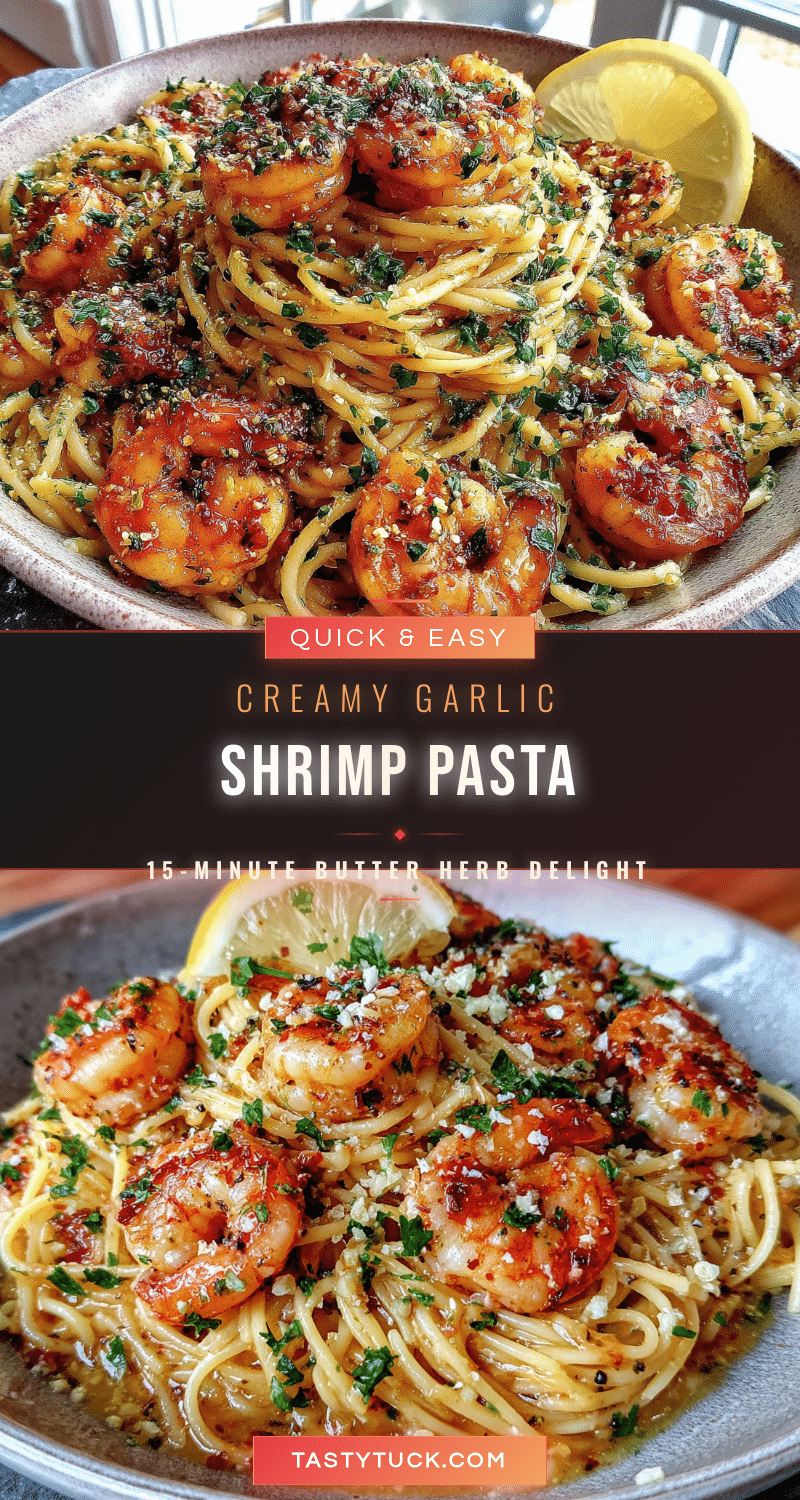
Quick Garlic Butter Shrimp Pasta: Easy 15-Minute Dinner
A quick and easy garlic butter shrimp pasta that comes together in just 15 minutes. Perfect for busy weeknights, this dish features tender shrimp, al dente pasta, and a silky garlic butter sauce with a hint of lemon.
- Prep Time: 5 minutes
- Cook Time: 10 minutes
- Total Time: 15 minutes
- Yield: 4 servings 1x
- Category: Main Course
- Cuisine: Italian-American
Ingredients
- 8 ounces linguine or spaghetti
- 3 tablespoons unsalted butter
- 4 cloves garlic, minced
- 1 pound large shrimp, peeled and deveined
- ½ teaspoon salt
- ¼ teaspoon black pepper
- ¼ teaspoon red pepper flakes (optional)
- ¼ cup dry white wine or chicken broth
- ¼ cup reserved pasta water
- 2 tablespoons fresh lemon juice
- ¼ cup fresh parsley, chopped
- Freshly grated Parmesan cheese for serving
Instructions
- Bring a large pot of salted water to a boil. Add pasta and cook according to package directions until al dente. Reserve about 1 cup of pasta water before draining. Drain pasta (do not rinse).
- While pasta cooks, pat shrimp dry with paper towels and season with a pinch of salt and pepper.
- Heat a large skillet over medium-high heat. Add 1 tablespoon butter. Once melted, add shrimp in a single layer and cook 1-2 minutes per side until pink and opaque. Transfer to a plate.
- Reduce heat to medium. Add remaining 2 tablespoons butter to the skillet. Once melted, add minced garlic and red pepper flakes (if using). Cook for 30 seconds, stirring constantly.
- Pour in white wine (or broth) and simmer for 1 minute, scraping up browned bits from the pan.
- Add ¼ cup reserved pasta water and lemon juice. Stir and simmer for 30 seconds until slightly thickened.
- Add drained pasta to the skillet. Toss to coat in the sauce, adding more pasta water if needed.
- Return shrimp to the skillet along with any accumulated juices. Toss gently for 30 seconds until warmed through.
- Remove from heat. Stir in fresh parsley. Taste and adjust seasoning.
- Serve immediately with freshly grated Parmesan cheese on top.
Notes
For best results, use fresh garlic and real butter. Reserve more pasta water than needed (about 1 cup) to adjust sauce consistency. Do not overcook shrimp; they are done when pink and curled into a loose C shape. If sauce looks thin, add a tablespoon of cold butter off the heat to emulsify.
Nutrition
- Serving Size: 1 serving (about ¼ o
- Calories: 485
- Sugar: 2
- Sodium: 680
- Fat: 18
- Saturated Fat: 10
- Carbohydrates: 48
- Fiber: 3
- Protein: 32
Keywords: garlic butter shrimp pasta, quick shrimp pasta, easy weeknight dinner, 15 minute dinner, shrimp linguine