“You really have to try this pasta,” my friend insisted over a quick text, the kind that comes with a hint of urgency and a promise of something surprisingly good. Honestly, I was skeptical. Lemon and garlic in a pasta dish sounded a bit too bright and simple to be memorable. But that night, after a long day of juggling work and the usual chaos, I found myself rummaging through the fridge, grabbing the last of the asparagus and some frozen peas. The idea of a quick, fresh meal was exactly what I needed. And as I tossed the pasta with lemon zest, garlic, and those vibrant green veggies, something clicked. This wasn’t just a quick fix—it tasted like spring itself on a plate.
What surprised me most was how the sharpness of the lemon and the punch of garlic mingled with the tender snap of asparagus and the sweet pop of peas. It wasn’t just fresh; it felt comforting in a way that made me pause, take a breath, and enjoy a quiet moment. I ended up making this Fresh Lemon Garlic Spring Pasta with Asparagus and Peas multiple times that week — no exaggeration. Cooking it became my little reset button.
There’s something about this pasta that isn’t flashy but stays with you. It’s like catching that perfect whiff of citrus in the air or hearing the faint crunch of freshly picked peas. It’s simple, yes, but it’s also honest and satisfying. If you’re looking for a dinner that feels like a fresh breeze on a busy night, this recipe might just be the one to keep coming back to.
Why You’ll Love This Fresh Lemon Garlic Spring Pasta Recipe
This recipe is not just another pasta dish; it’s a carefully tested combination that hits all the right notes for a quick, healthy, and utterly satisfying meal. Having made it countless times, I can vouch for how well it fits into busy schedules without skimping on flavor or nutrition.
- Quick & Easy: Ready in about 25 minutes, making it ideal for weeknights when time’s tight but you still want something homemade.
- Simple Ingredients: No need for fancy or hard-to-find items. If you have fresh asparagus, peas, garlic, lemon, and pasta on hand, you’re good to go.
- Perfect for Spring & Early Summer: Celebrates seasonal produce, capturing that bright, green freshness we all crave after winter.
- Crowd-Pleaser: I’ve served this at casual dinners and potlucks, and it always gets compliments—even from those who usually avoid veggie-forward dishes.
- Unbelievably Delicious: The zing of lemon and garlic combined with the natural sweetness of peas and snap of asparagus creates a harmony that’s unexpectedly comforting.
What sets this recipe apart is its balance. The sauce isn’t heavy or creamy; it lets the fresh ingredients shine while the garlic and lemon zest add depth. Plus, using fresh lemon juice at the end means you get that lively brightness without overpowering the dish. This isn’t just spring pasta—it’s the kind you’ll want to make a habit of.
What Ingredients You Will Need
This recipe uses simple, wholesome ingredients to deliver bold flavor and satisfying texture without the fuss. Most of these are pantry staples or seasonal produce you can easily find at your local market.
- Pasta: 12 ounces (340 g) of spaghetti or linguine work best for this dish—choose your favorite brand for quality; I often go with Barilla for consistent texture.
- Asparagus: 1 bunch (about 1 pound/450 g), trimmed and cut into 2-inch pieces. Look for firm, bright green stalks for the best snap and flavor.
- Frozen or Fresh Peas: 1 cup (150 g), shelled. Frozen peas are just fine here and save prep time.
- Garlic: 4 cloves, minced. Fresh garlic is essential for that punchy flavor.
- Lemon: 1 large lemon (zest and juice). Freshly grated zest and juice add the perfect brightness—bottled lemon juice won’t do.
- Olive Oil: 3 tablespoons, extra virgin preferred for richness and flavor.
- Parmesan Cheese: ½ cup (50 g), freshly grated (optional but highly recommended for that savory finish).
- Red Pepper Flakes: A pinch (optional), for a subtle kick that plays well with the garlic and lemon.
- Salt and Black Pepper: To taste.
- Fresh Herbs: A handful of chopped parsley or basil for garnish and an extra layer of freshness.
If you want to make this gluten-free, swap the pasta for your favorite gluten-free noodles or even spiralized zucchini for a lower-carb option. Dairy-free eaters can skip the Parmesan or try a sprinkle of nutritional yeast to add some cheesy flavor.
Equipment Needed
- A large pot for boiling pasta. A wide pot helps prevent sticking and cooks the pasta evenly.
- A large skillet or sauté pan for cooking asparagus, peas, and garlic. Non-stick or stainless steel both work well.
- A fine grater or zester for the lemon zest.
- A sharp chef’s knife and cutting board for prepping asparagus and garlic.
- A colander to drain the pasta.
- A wooden spoon or tongs for stirring the pasta into the sauce.
I usually skip any fancy gadgets here—just the basics. If you don’t have a zester, a microplane or even the small holes of a box grater do the trick. For a budget-friendly option, any good-quality skillet will last you years if you keep it seasoned and clean. I’ve learned the hard way that a dull knife can make prep more frustrating, so a decent chef’s knife is worth the investment.
Preparation Method
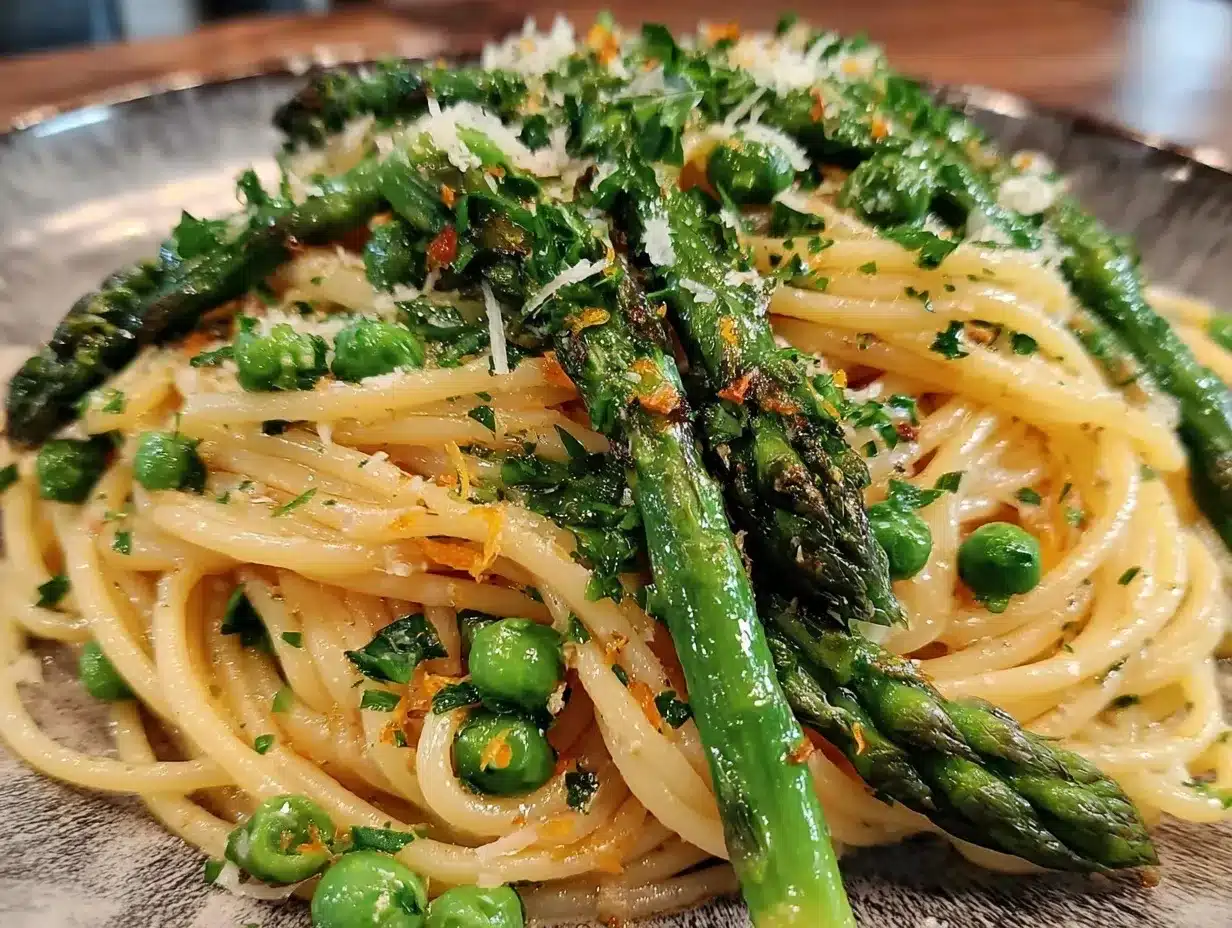
- Bring a large pot of salted water to a boil. Use about 1 tablespoon of salt per 4 quarts (4 liters) of water; this seasons the pasta nicely. Add the pasta and cook according to package instructions until al dente, usually 8-10 minutes.
- While the pasta cooks, prepare the vegetables. Trim the asparagus and cut into 2-inch pieces. Mince the garlic cloves finely. If using frozen peas, have them ready to add directly.
- Blanch the asparagus and peas. About 3 minutes before the pasta is done, add asparagus and peas to the pasta water for a quick blanch. This keeps them bright and tender-crisp. Use a slotted spoon or a sieve to remove them and set aside while you drain the pasta.
- Drain the pasta, reserving ½ cup (120 ml) of the cooking water. This starchy water will help bring the sauce together.
- Heat olive oil in a large skillet over medium heat. Add the minced garlic and red pepper flakes (if using). Sauté for about 1-2 minutes until fragrant but not browned—watch carefully to avoid bitterness.
- Add the blanched asparagus and peas to the skillet. Toss gently for 2-3 minutes to warm through and let the flavors mingle.
- Add the drained pasta to the skillet. Toss everything together, adding reserved pasta water a little at a time to loosen the mixture and create a light sauce that clings to the noodles.
- Remove the skillet from heat and stir in lemon zest, lemon juice, and grated Parmesan cheese. The cheese will melt into the warm pasta, giving it a creamy touch without heaviness.
- Season to taste with salt and freshly ground black pepper. Give one last toss.
- Garnish with chopped fresh herbs. Serve immediately while it’s bright and fresh.
Pro Tip: If the pasta feels dry, add a splash more of reserved pasta water. It’s the secret weapon to a silky sauce without cream. Watch the garlic closely; burnt garlic is a common pitfall here and can throw off the whole flavor.
Cooking Tips & Techniques for Success
When making this Fresh Lemon Garlic Spring Pasta, timing is everything. For instance, blanching the veggies in the pasta water saves you from dirtying an extra pot and ensures the asparagus and peas cook just right—tender but still vibrant.
One mistake I made a few times was adding lemon juice too early. Acid can cause the pasta water to become cloudy and the veggies to lose some of their bright color. Adding the lemon at the end keeps the flavors fresh and the presentation appealing.
Keep your olive oil at moderate heat while sautéing the garlic. Too high, and it burns; too low, and you won’t get the flavor developed. And honestly, stirring constantly helps here.
For a silky finish, don’t skip reserving pasta water. It’s magic for bringing everything together without heaviness. Also, tossing the pasta off heat with cheese and lemon juice prevents curdling or clumping.
Lastly, taste as you go. Adjust salt and pepper gradually, and if you want a bit more brightness, add a touch more lemon juice just before serving. This little nudge makes a big difference in the final dish.
Variations & Adaptations
This recipe is flexible and welcoming to tweaks:
- Protein Boost: Add grilled chicken strips or sautéed shrimp to turn it into a more filling meal.
- Vegan Version: Skip the Parmesan or swap it with nutritional yeast or a plant-based cheese alternative. Use olive oil liberally for richness.
- Seasonal Swaps: In late summer, substitute asparagus and peas with fresh green beans and cherry tomatoes for a different but equally fresh flavor profile.
- Different Pasta Shapes: Penne, farfalle, or even gluten-free fusilli work well if you prefer a different texture or need to accommodate dietary needs.
- Herb Variations: Try finishing with fresh dill or tarragon for a twist on the fresh herb garnish.
I once tried tossing in some toasted pine nuts for crunch, and it was a hit at a casual dinner party. It’s fun to experiment with what you have on hand or what’s in season.
Serving & Storage Suggestions
This pasta shines best served warm and fresh—right off the stove with a sprinkle of extra Parmesan and herbs on top. You can pair it with a crisp green salad or a glass of chilled white wine to complement the citrus and garlic notes.
If you have leftovers, store them in an airtight container in the fridge for up to 2 days. Reheat gently in a skillet with a splash of water or broth to keep it from drying out. The flavors tend to meld beautifully overnight, so sometimes leftovers taste even better.
Be mindful that asparagus can lose its snap if overcooked during reheating. A quick warm-through is best. For a light lunch, this pasta pairs nicely with a side of fresh strawberry poppyseed salad, which adds a sweet contrast to the tangy pasta.
Nutritional Information & Benefits
One serving of this Fresh Lemon Garlic Spring Pasta contains approximately 400-450 calories, depending on portion size and whether cheese is included. It’s a balanced meal with carbohydrates from the pasta, fiber and vitamins from fresh asparagus and peas, and healthy fats from olive oil.
Asparagus is rich in vitamin K and folate, while peas offer plant-based protein and vitamin C. Garlic contributes natural antioxidants and has been linked to cardiovascular benefits.
This recipe is naturally low in saturated fat and can be made gluten-free or vegan with simple swaps. It’s a great choice for anyone looking to enjoy a hearty meal that’s also nourishing and not overly heavy.
Conclusion
This Fresh Lemon Garlic Spring Pasta with Asparagus and Peas is the kind of recipe that makes you feel good about what you’re eating without sacrificing flavor or time. It’s simple but thoughtfully composed, showing how fresh ingredients and a few kitchen tricks can turn everyday pasta into something special.
Feel free to make it your own by adjusting the herbs, adding proteins, or swapping veggies to suit the season or your pantry. For me, it became a go-to when I wanted dinner to be fast, fresh, and satisfying—no fuss, just honest food.
If you try it, I’d love to hear how you tweaked the recipe or what your favorite pairing is. Sharing these little kitchen stories makes cooking even more rewarding. Here’s to many bright, lemony dinners ahead!
Frequently Asked Questions About Fresh Lemon Garlic Spring Pasta
Can I use other vegetables besides asparagus and peas?
Absolutely! Green beans, zucchini ribbons, or snap peas are great alternatives. Just adjust the cooking time to keep veggies tender-crisp.
Is it okay to use bottled lemon juice?
Fresh lemon juice is best for brightness and flavor. Bottled lemon juice can be more acidic or flat, which affects the dish’s fresh taste.
How can I make this pasta vegan?
Skip the Parmesan or replace it with nutritional yeast or vegan Parmesan alternatives. Use olive oil liberally to keep it rich.
What’s the best way to store leftovers?
Store in an airtight container in the fridge for up to 2 days. Reheat gently in a skillet with a splash of water to keep it moist.
Can I prepare this recipe ahead of time?
You can prep vegetables and zest lemon in advance, but toss everything together just before serving for best texture and flavor.
Pin This Recipe!
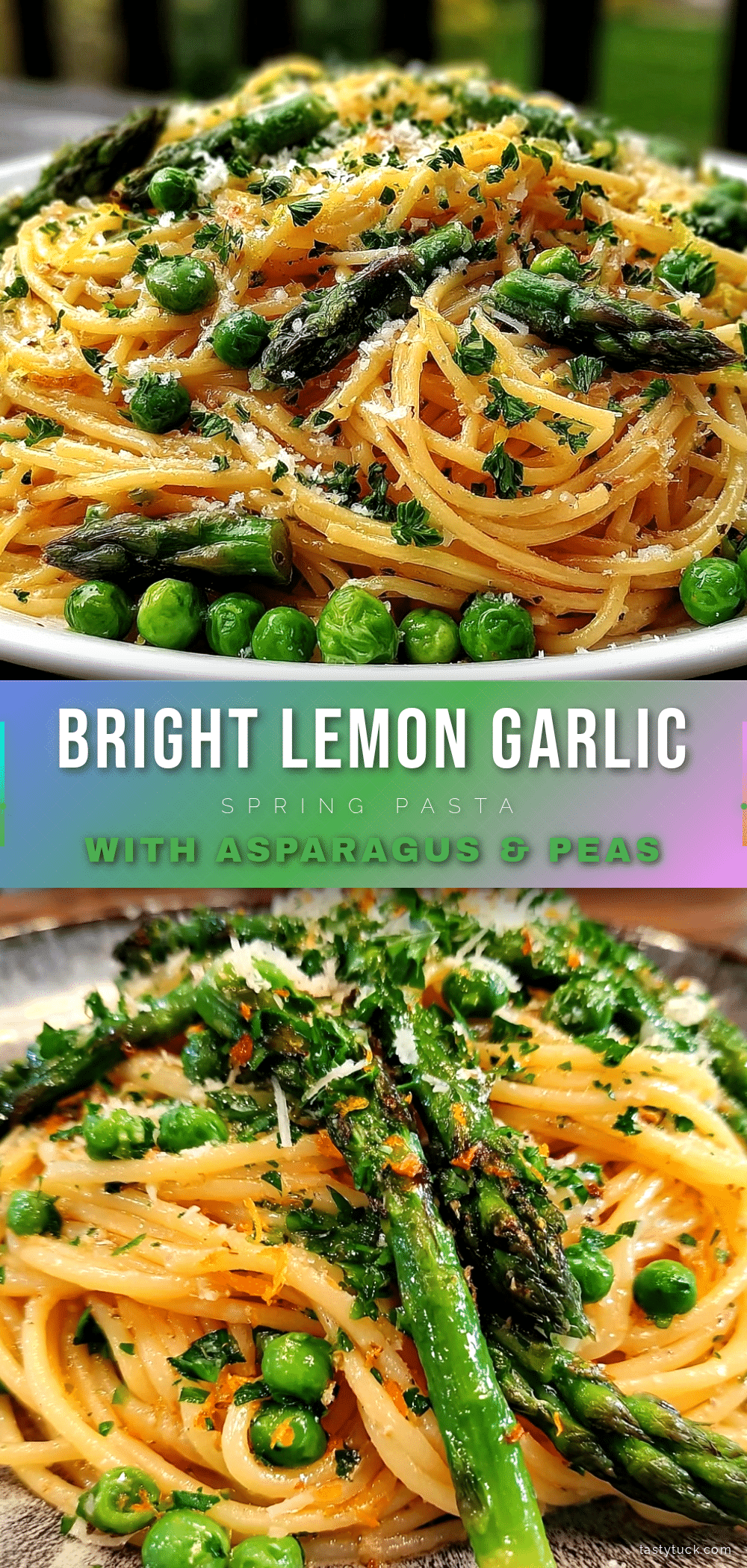
Fresh Lemon Garlic Spring Pasta Recipe Easy Healthy Asparagus and Peas Dinner
A quick, fresh, and healthy pasta dish featuring lemon zest, garlic, asparagus, and peas, perfect for spring and early summer dinners.
- Prep Time: 10 minutes
- Cook Time: 15 minutes
- Total Time: 25 minutes
- Yield: 4 servings 1x
- Category: Main Course
- Cuisine: Italian
Ingredients
- 12 ounces spaghetti or linguine
- 1 bunch (about 1 pound) asparagus, trimmed and cut into 2-inch pieces
- 1 cup frozen or fresh peas, shelled
- 4 cloves garlic, minced
- 1 large lemon (zest and juice)
- 3 tablespoons extra virgin olive oil
- ½ cup freshly grated Parmesan cheese (optional)
- Pinch of red pepper flakes (optional)
- Salt to taste
- Black pepper to taste
- Handful of chopped fresh parsley or basil for garnish
Instructions
- Bring a large pot of salted water to a boil using about 1 tablespoon of salt per 4 quarts of water; add the pasta and cook according to package instructions until al dente, usually 8-10 minutes.
- While the pasta cooks, trim the asparagus and cut into 2-inch pieces. Mince the garlic cloves finely. If using frozen peas, have them ready to add directly.
- About 3 minutes before the pasta is done, add asparagus and peas to the pasta water for a quick blanch. Use a slotted spoon or sieve to remove them and set aside while you drain the pasta.
- Drain the pasta, reserving ½ cup of the cooking water.
- Heat olive oil in a large skillet over medium heat. Add minced garlic and red pepper flakes (if using). Sauté for 1-2 minutes until fragrant but not browned.
- Add the blanched asparagus and peas to the skillet. Toss gently for 2-3 minutes to warm through and let flavors mingle.
- Add the drained pasta to the skillet. Toss everything together, adding reserved pasta water a little at a time to loosen the mixture and create a light sauce.
- Remove the skillet from heat and stir in lemon zest, lemon juice, and grated Parmesan cheese.
- Season to taste with salt and freshly ground black pepper. Toss once more.
- Garnish with chopped fresh herbs and serve immediately.
Notes
If the pasta feels dry, add more reserved pasta water to create a silky sauce. Watch garlic carefully to avoid burning. Add lemon juice at the end to keep flavors fresh and veggies vibrant. For gluten-free, use gluten-free noodles or spiralized zucchini. For vegan, omit Parmesan or use nutritional yeast.
Nutrition
- Serving Size: 1 serving (about 1/4
- Calories: 425
- Sugar: 5
- Sodium: 350
- Fat: 14
- Saturated Fat: 2
- Carbohydrates: 60
- Fiber: 6
- Protein: 15
Keywords: lemon garlic pasta, spring pasta, asparagus pasta, peas pasta, healthy pasta, quick dinner, easy pasta recipe, vegetarian pasta